

 See My Latest Article on HelloNation
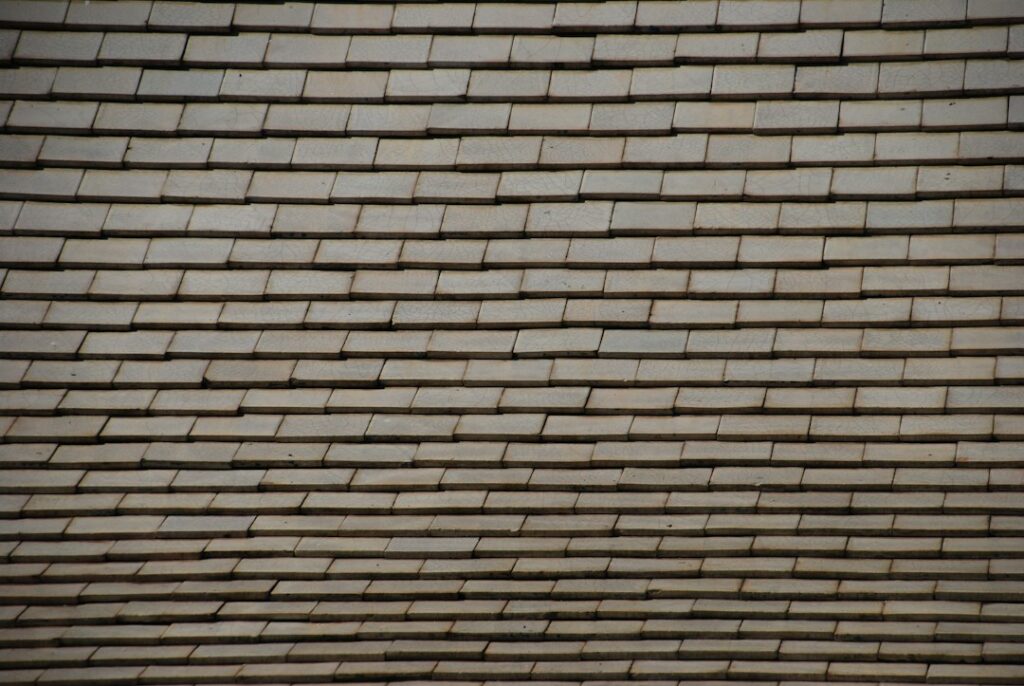
What does it mean when roof shingles curl?
Roof shingles curl when their edges, corners, or entire tabs lift away from the roof surface. The raised areas may bend upward, turn inward, or develop a claw-like shape. Curling is usually a sign that the shingles are aging, reacting to moisture and temperature changes, or were affected by installation or ventilation problems.
A few slightly raised corners do not always mean the roof is failing immediately. However, widespread curling can reduce the shingles’ ability to shed water and resist wind.
For homeowners in Grand Haven, MI, seasonal moisture, snow, strong winds, and repeated freezing and thawing can all contribute to roof movement over time.
What causes asphalt shingles to curl?
Several conditions can produce the same appearance. The most common causes are age, heat, moisture, poor ventilation, installation problems, and manufacturing or storage issues.
Age and normal weathering
Asphalt shingles gradually lose flexibility as they are exposed to sunlight, wind, rain, snow, and changing temperatures. The asphalt coating can dry and shrink, while the reinforcing material becomes less able to remain flat.
Curling caused by age is often found across large sections of a roof rather than in only one isolated spot. Other signs may include:
- Loss of protective granules
- Faded or uneven color
- Cracks through the shingle surface
- Brittle or broken tabs
- Exposed dark areas beneath missing granules
- Shingles that lift easily in the wind
Older roofing may still look serviceable from the ground while becoming increasingly fragile up close.
Inadequate attic ventilation
Poor attic ventilation is a major contributor to premature shingle curling. During warm weather, heat can build up beneath the roof deck. That heat may cause shingles to dry, shrink, and deteriorate faster than expected.
Ventilation also helps remove moisture from the attic. Without adequate airflow, humid indoor air can condense on roof framing and the underside of the roof deck. The resulting moisture can contribute to deck movement, mold growth, damp insulation, and uneven shingle support.
A balanced ventilation system generally includes intake airflow near the lower roof edges and exhaust airflow near the ridge or upper portions of the roof. Adding an exhaust vent without enough intake airflow does not necessarily correct the problem.
Can moisture and freezing weather make shingles curl?
Yes. Moisture can affect both the shingles and the materials underneath them. Repeated wetting and drying causes expansion and contraction, while freezing temperatures can make asphalt shingles more rigid and vulnerable to cracking or lifting.
In a lakeside community such as Grand Haven, changing weather may expose a roof to rain, snow, wind-driven moisture, summer humidity, and rapid temperature shifts in the same year. These conditions do not automatically cause curling, but they can accelerate weaknesses that already exist.
Water may also enter through damaged flashing, worn pipe boots, missing shingles, or poorly sealed roof penetrations. If the roof deck becomes damp or swells, the shingles above it may buckle, wrinkle, or curl.
Ice dams are another possible factor on some homes. When melting snow refreezes near a roof edge, water can back up beneath shingles. Repeated exposure to trapped moisture may loosen materials and increase the risk of distortion.
How does improper installation cause curling?
Shingles depend on correct placement, fastening, alignment, and sealing. If they are installed incorrectly, they may not lie flat or bond properly.
Common installation-related causes include:
- Too few or incorrectly placed fasteners
- Nails driven too high, too low, or at an angle
- Shingles installed over an uneven roof deck
- Misaligned shingle courses
- Inadequate exposure between courses
- Installation during weather too cold for reliable sealing
- Failure of the self-sealing strip to bond
- Shingles installed over debris or protruding fasteners
A shingle that never seals correctly may remain vulnerable to wind. Over time, its edges can lift repeatedly until the material curls or breaks.
Cold-weather installation deserves special attention in western Michigan. Shingles may seal more slowly during cool conditions, especially when sunlight is limited. A roof can appear properly installed while some tabs remain less securely bonded until warmer weather arrives.
Are curled shingles always caused by poor ventilation?
No. Ventilation is frequently discussed because it affects roof temperature and attic moisture, but it is only one possible cause.
Curling can also result from normal aging, manufacturing variation, improper installation, roof-deck movement, storm exposure, or storage conditions before installation. It is risky to identify the cause based only on the roof’s appearance.
The pattern can provide clues:
- Curling across most of the roof may suggest age, heat, ventilation, or material problems.
- Curling concentrated on one slope may point to sun exposure, wind, or localized moisture.
- Curling near an eave may be related to ice, drainage, or water backup.
- Curling around a chimney, wall, skylight, or vent may involve flashing or moisture intrusion.
- Curling on a relatively new roof may justify reviewing installation records and product information.

What is the difference between curling, buckling, and blistering?
These terms describe different forms of shingle distortion.
Curling usually refers to edges or corners lifting upward or turning inward. It often develops gradually.
Buckling appears as ridges, waves, or raised lines running across the shingles. It may be related to roof-deck movement, trapped moisture, wrinkled underlayment, poor fastening, or debris beneath the shingles.
Blistering involves small raised areas on the shingle surface. Blisters may form when moisture or gases become trapped within the shingle and expand under heat. If the raised areas break open, the roof can lose protective granules and become more vulnerable.
A roof may show more than one condition at the same time, so the visible symptom does not always identify the underlying problem.
Can curled shingles be repaired?
A small number of isolated curled shingles may sometimes be replaced, but simply pressing them flat or applying a surface adhesive does not correct the reason they curled. Adhesives may also interfere with future repairs or product requirements.
The appropriate response depends on the shingles’ age, condition, location, and whether water has reached the roof deck. A roof with limited damage may need individual shingle replacement. A roof with widespread curling, brittleness, granule loss, or underlying moisture damage may require more extensive work.
Avoid walking on curled shingles whenever possible. Raised or brittle material can break under foot, and walking on a roof creates a fall hazard, particularly when surfaces are damp, steep, icy, or covered with loose granules.
When is curling a serious roofing problem?
Curling deserves prompt attention when it is widespread, accompanied by leaks, or visible along with missing or broken shingles. It is also more concerning when the roof has been exposed to strong winds or when the attic shows signs of moisture.
Useful warning signs include:
- Water stains on ceilings or upper walls
- Damp insulation or roof framing
- Daylight visible through the roof deck
- Shingles blowing off during ordinary wind
- Numerous exposed fasteners
- Large areas of bare or missing granules
- Sagging or uneven roof lines
- Repeated repairs in the same area
A ground-level inspection with binoculars can help identify patterns without climbing onto the roof. Inside the attic, look for damp wood, rusty nails, compressed insulation, or daylight around roof penetrations. Any roof inspection involving steep slopes, ice, unstable materials, or suspected structural damage should be handled with appropriate safety precautions.
The most useful question is not simply whether shingles are curled, but why they curled and whether the roof system beneath them is still dry, flat, securely fastened, and capable of shedding water.