

 See My Latest Article on HelloNation
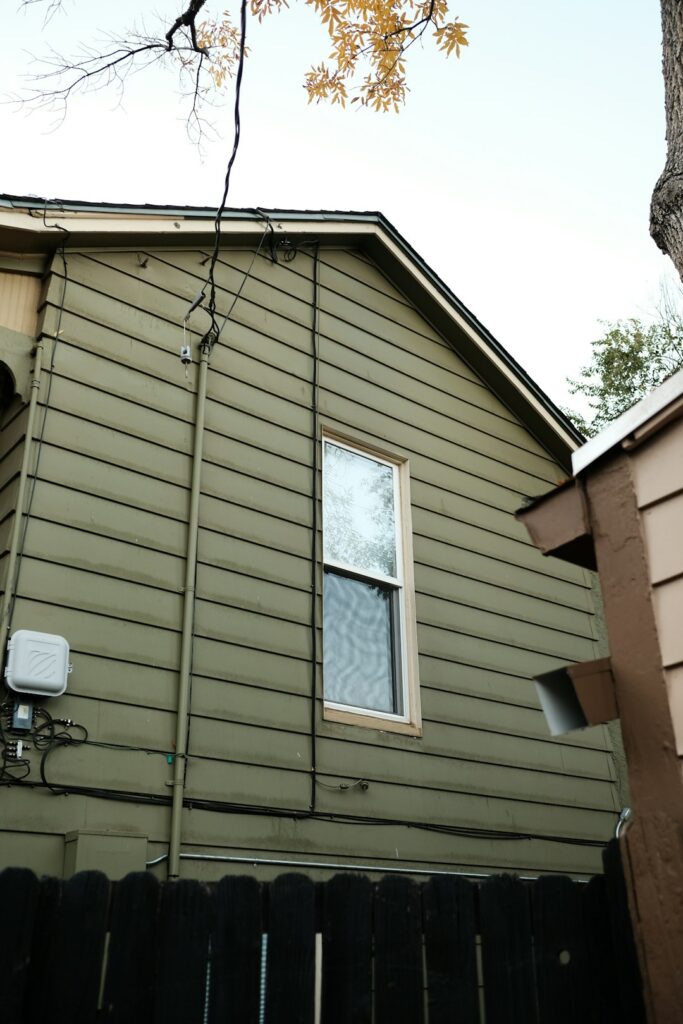
Siding helps shield a home from rain, snow, wind, and temperature changes, but it is only one part of the exterior wall system. In Grand Haven, MI, lake-influenced weather can expose siding to moisture, strong gusts, freeze-thaw cycles, and long periods of dampness. Effective weatherproofing depends on keeping water out, giving trapped moisture a way to escape, and maintaining the details around openings and rooflines.
What does weatherproofing siding actually involve?
Weatherproofing siding means creating a layered exterior that directs water away from the wall rather than relying on the siding surface alone. The siding is the visible outer layer, but protection also comes from the water-resistive barrier, flashing, sealants, trim, drainage paths, and properly maintained nearby components.
A weather-resistant wall should include:
- Siding installed according to its material-specific requirements
- A continuous water-resistive barrier beneath the siding
- Flashing around windows, doors, corners, roof intersections, and penetrations
- Proper clearances above roofs, decks, sidewalks, and soil
- Openings that allow drainage and drying
- Gutters and downspouts that move roof water away from the walls
Caulk can help seal a joint, but it should not be treated as the primary defense against water. A wall assembly should be designed so that incidental moisture can drain outward.
Which siding problems should homeowners inspect first?
Start with areas where water changes direction or where different materials meet. These locations are more likely to develop leaks than the middle of an uninterrupted siding panel.
Look for:
- Cracked, warped, loose, or missing siding
- Open seams around windows and doors
- Discolored areas that may indicate repeated dampness
- Peeling paint or swollen trim
- Soft wood near corners, sills, or lower wall sections
- Rusted or missing flashing
- Gaps where siding meets roof coverings
- Siding that touches soil, mulch, concrete, or standing water
- Downspouts discharging directly against the foundation or wall
Pay special attention after wind-driven rain. A wall may appear sound during ordinary rainfall but allow moisture through when rain is pushed sideways beneath laps, trim, or poorly sealed penetrations.
How should siding around windows and doors be protected?
Window and door openings need layered flashing because they interrupt the wall’s drainage plane. Water that reaches the top or sides of an opening must be directed over the exterior surface rather than behind the siding.
The most vulnerable areas include the upper corners, head trim, sill, and transitions between the opening and the surrounding wall. Flashing should overlap in a shingle-like sequence, with upper layers directing water over lower layers. If the layers are reversed, water can be guided inward.
Inspect the perimeter for:
- Gaps between trim and siding
- Cracked or brittle sealant
- Staining beneath the upper trim
- Soft wood at the sill or lower corners
- Loose drip caps
- Exposed fasteners or poorly fitted replacement windows
Replacing caulk without correcting the underlying flashing or drainage problem may provide only temporary improvement.
How do rooflines, gutters, and decks affect siding?
Many siding leaks begin above the siding rather than within it. Roof edges, valleys, chimneys, porch roofs, and attached structures can send water toward the wall if flashing is damaged or missing.
The siding should not be installed in a way that traps water against roofing materials. There should also be suitable clearance between siding and roof surfaces, with a properly formed transition that prevents snow, ice, and runoff from collecting behind the wall covering.
Gutters matter just as much. Clogged gutters can overflow onto siding, while short or disconnected downspouts can saturate lower wall sections. Keep gutters clear of leaves and inspect them after heavy rain. Downspouts should discharge far enough away to prevent repeated splashback and soil saturation near the foundation.
Decks, stairs, and porches deserve similar attention. Ledger boards, deck attachments, and flashing can create hidden entry points. Siding should not be pressed tightly against horizontal surfaces where water, ice, and debris can remain trapped.
What maintenance is appropriate for different siding materials?
Maintenance should match the siding material. Vinyl siding generally needs cleaning, inspection of seams and accessories, and replacement of damaged panels. Avoid fastening it so tightly that it cannot move slightly with temperature changes.
Fiber-cement siding should be checked for cracked boards, damaged edges, failed joints, and paint deterioration. Cut ends and exposed surfaces need protection appropriate to the product’s installation requirements.
Wood siding requires more frequent observation because it can absorb moisture. Look for peeling paint, soft areas, open joints, insect damage, and siding installed too close to the ground. Keeping wood finishes maintained helps reduce water absorption, but paint cannot correct a drainage defect.

Engineered wood siding also needs attention at cut edges, joints, penetrations, and lower courses. Follow the installation and maintenance instructions associated with the specific product rather than applying a general rule to every panel type.
Regardless of material, avoid pressure-washing forcefully into laps, seams, vents, or trim joints. Water driven behind siding can create damage that is not visible from the outside.
How can Grand Haven weather affect siding performance?
Homes in the community experience a combination of moisture, wind, winter freezing, and seasonal temperature swings. Lake-influenced conditions can bring wind-driven rain and localized snow, while freeze-thaw cycles may enlarge small cracks and loosen deteriorated sealants.
These conditions make spring and fall inspections especially useful. In spring, check for damage from ice, snow, and winter wind. In fall, clear gutters, inspect roof-to-wall transitions, and make sure lower siding courses are not blocked by leaves or mulch.
Exterior walls on the most weather-exposed sides may show wear sooner than sheltered walls. Differences in fading, staining, or sealant deterioration can provide clues about prevailing wind and rain exposure.
When does siding damage require more than surface maintenance?
Surface cleaning and minor sealant renewal are appropriate only when the underlying wall remains sound. More serious warning signs include:
- Persistent interior dampness near exterior walls
- Soft sheathing or framing
- Repeated staining after repairs
- Bulging or widespread siding movement
- Mold-like odors inside wall cavities
- Extensive rot around windows, doors, or roof intersections
- Siding damage that extends behind trim or flashing
If structural deterioration, electrical components, elevated work, or hidden moisture is involved, the repair may require specialized knowledge and safe access equipment. Work that changes flashing, wall assemblies, or exterior penetrations may also need to follow the current Michigan Residential Code and local permit requirements.
The key question is not simply whether the siding looks intact. It is whether water is being directed outward at every transition and whether the wall has a reliable way to dry after exposure.
What is a practical inspection routine?
A basic inspection can be completed from the ground and with a careful walk around the home:
- Examine siding after heavy rain for unusual wet spots or staining.
- Check window and door trim for cracks, gaps, or soft material.
- Confirm that gutters and downspouts are clear and properly connected.
- Look at roof-to-wall intersections for missing or damaged flashing.
- Keep plants, soil, and mulch below the siding clearance.
- Check lower wall areas for splashback, swelling, or rot.
- Look for loose panels, exposed fasteners, and open seams.
- Photograph changes so new damage can be compared with earlier conditions.
Regular observation is more useful than waiting for a leak to appear indoors. Moisture often travels behind siding before it becomes visible inside the home.