
 See My Latest Article on HelloNation
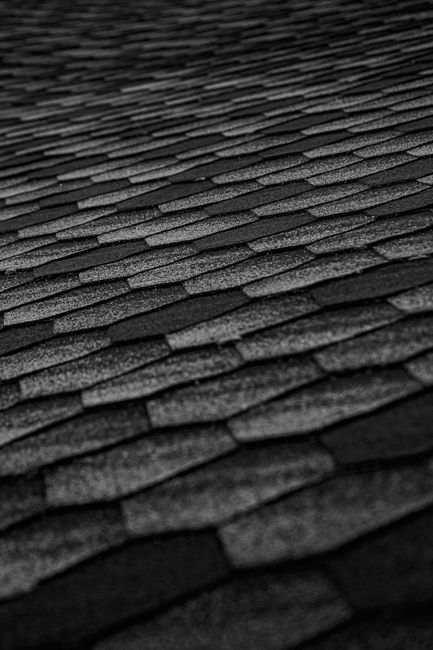
Roof algae are usually dark blue-green or black streaks that form when moisture, shade, and organic residue remain on shingles. In Grand Haven, MI, lake-influenced moisture, humid summers, tree cover, and snow-season dampness can create favorable conditions for this growth, especially on north-facing or shaded roof slopes.
Algae stains are usually cosmetic at first, but heavy growth can hold moisture against roofing materials and may occur alongside moss, lichen, or deteriorating shingles. The safest cleaning method depends on the roof material, the amount of growth, and whether the surface can be reached without walking on it.
What is the safest way to remove algae from asphalt shingles?
The safest general method is a roof-safe cleaning solution applied gently, allowed to work, and rinsed with low-pressure water. Scrubbing and high-pressure washing can remove the protective granules from asphalt shingles, shorten roof life, and create areas where water can enter.
A typical cleaning process includes:
- Remove loose leaves, twigs, and debris from gutters and roof edges without scraping the shingles.
- Protect plants, siding, painted surfaces, metal fixtures, and outdoor equipment below the roof.
- Apply a properly diluted roof-cleaning solution with a low-pressure sprayer.
- Allow the solution to remain on the surface for the time stated on its label.
- Rinse with a garden hose or other low-pressure water source.
- Let the roof dry naturally and inspect it again after several days.
Algae may fade gradually rather than disappearing immediately. A roof can look uneven during the process because shaded areas often retain more growth than sun-exposed sections.
Can bleach be used to clean roof algae?
A diluted chlorine-bleach solution is commonly used for algae on asphalt shingles, but it must be handled carefully. The exact mixture should follow the roofing material’s instructions and the cleaning product’s label. Stronger is not necessarily better; overly concentrated solutions can damage nearby plants, painted surfaces, metals, and some roofing materials.
Never mix bleach with ammonia, acids, or other cleaners. Dangerous fumes can result. Use protective clothing and eye protection, keep people and pets away from runoff, and avoid cleaning during windy conditions.
Bleach is not automatically appropriate for every roof. It may be unsuitable for some wood shakes, aged coatings, specialty membranes, or roofs with fragile surfaces. Testing a small, inconspicuous area can help reveal whether discoloration or material damage occurs.
Why should pressure washing be avoided?
Pressure washing is one of the most common causes of avoidable roof damage. A high-pressure stream can loosen shingle granules, lift shingle edges, force water beneath overlapping layers, and damage flashing around vents, chimneys, and skylights.
A roof may look clean immediately after pressure washing, but the surface can be weakened even when the damage is difficult to see from the ground. Granule loss also exposes the asphalt coating to faster weathering from sunlight, rain, ice, and temperature changes.
A low-pressure rinse is different from pressure washing. The goal is to wash away the cleaning solution and loosened residue without blasting the roof surface.
Should algae be scrubbed off by hand?
Hand scrubbing is usually a poor choice for asphalt shingles. Brushes, brooms, and scraping tools can disturb granules and leave visible marks. Scrubbing may also spread growth across adjacent shingles.
A gentle rinse may remove loose residue after the cleaning solution has worked. If moss or lichen has formed thick, raised patches, pulling or scraping it away can tear shingles or expose gaps. That condition is more than a simple stain and may require a careful roof-surface evaluation before any cleaning takes place.
What is the difference between algae, moss, and lichen?
Algae usually appear as flat dark streaks or broad discolored areas. Moss is softer, thicker, and more three-dimensional; it may form green mats along shingle edges or in shaded valleys. Lichen can look crusty or leafy and may attach firmly to the roofing surface.
Algae are primarily a staining and moisture-retention concern. Moss can lift shingle edges as it grows, allowing wind-driven rain and melting snow to reach vulnerable areas. Lichen can be difficult to remove without damaging the surface beneath it.
Cleaning should be more cautious when growth is raised, rooted between shingles, or accompanied by curling, cracking, exposed underlayment, or missing granules.
Is it safe to clean a roof from a ladder?
Roof cleaning is hazardous because algae and cleaning solutions make shingles slippery. Wet roofs, steep slopes, hidden soft spots, frost, and loose granules increase the risk of a fall.
A ladder should not be used as a substitute for proper roof access. Reaching from the eaves may also place excessive pressure on gutters or cause a person to overextend. Roofs that are steep, unusually high, wet, damaged, or difficult to access present conditions where cleaning from the ground or using trained roof-safety practices is more appropriate.
Cleaning products can also create slip hazards on decks, walkways, and siding. Runoff should be directed away from household entry areas and controlled before the work begins.
When is the best time to remove algae?
A dry, calm period with moderate temperatures is generally preferable. The roof should have time to dry before nighttime temperatures fall sharply or rain is expected.
Late spring through early fall often provides workable conditions in Grand Haven, but the specific day matters more than the month. Avoid cleaning during freezing weather, intense heat, strong sunlight, heavy wind, or when rain is likely to wash the solution away too quickly.
After winter, inspect roof slopes for new streaking, moss expansion, damaged flashing, and debris trapped in valleys. Snow and repeated freeze-thaw cycles can make existing shingle problems more noticeable.
How can algae growth be prevented from returning?
Cleaning removes visible growth but does not eliminate the conditions that support it. Prevention focuses on keeping the roof drier and reducing organic debris.
Useful steps include:
- Trim branches that create persistent shade or drop leaves onto the roof.
- Keep gutters and downspouts clear so water does not back up beneath roof edges.
- Remove leaf piles and damp debris carefully, without dragging tools across shingles.
- Improve airflow around heavily shaded roof areas when practical.
- Consider properly installed zinc or copper-coated strips near the ridge, where permitted and compatible with the roofing system.
- Inspect after major storms for blocked drainage, lifted shingles, or damaged flashing.
Metal strips may slow new algae growth as rainwater carries small amounts of metal down the roof, but they are not a substitute for cleaning and do not repair existing damage. They should not be installed in a way that punctures or compromises the roof.
Will algae damage or shorten a roof’s life?
Light staining does not necessarily mean a roof needs replacement. Many roofs with algae streaks remain serviceable, particularly when the shingles are flat, intact, and still shedding water properly.
The concern increases when algae occur with moss, trapped moisture, granule loss, curling, cracking, exposed fasteners, or repeated leaks. Cleaning should not be used to hide signs that the roofing system is already failing. A roof should be assessed for condition before aggressive growth is removed, especially when the shingles are older or visibly brittle.
For many homes, gentle treatment, careful runoff control, and regular inspection are enough to manage algae without unnecessary roof damage.