

 See My Latest Article on HelloNation
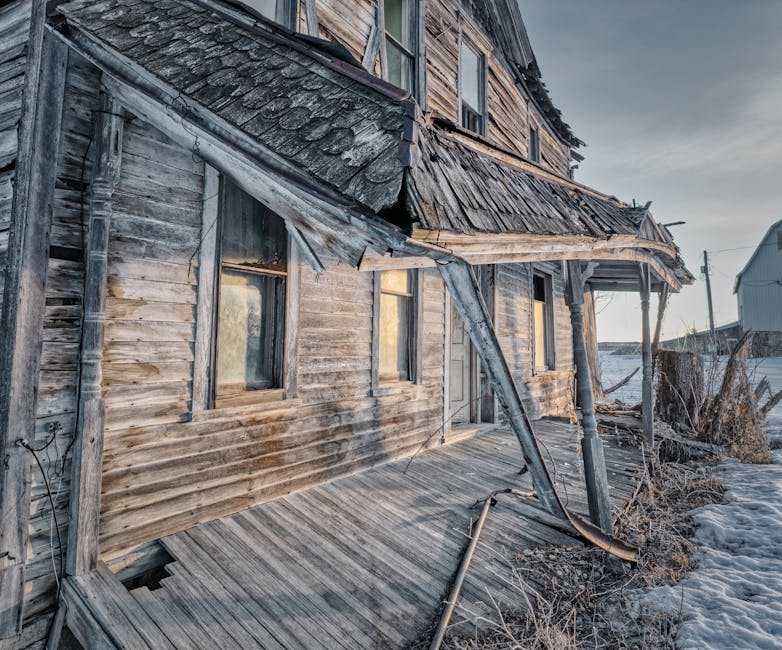
Living in Grand Haven, MI, brings a unique set of weather-related challenges. The beauty of Lake Michigan comes with seasonal shifts, lake-effect snow, high winds, and summer storms. These weather patterns directly impact the exterior of your home—especially your roof and siding. Recognizing how weather affects your home can help Grand Haven residents make informed decisions about maintenance, material selection, and proactive repairs.
How Does Weather Affect Your Roof?
Roofs act as the first line of defense against the elements. In Grand Haven, the roof must endure everything from heavy snow and ice in winter to humid summers and unexpected windstorms.
*Winter Snow and Ice Dams*
One of the most common questions homeowners ask is: *How does snow and ice damage my roof?* When snow piles on your roof, it can lead to ice damming. Ice dams form when warm air escapes your living space into the attic, melting the snow on your roof. As the melted water trickles down, it refreezes at the eaves, creating a dam. Water backing up behind this dam can seep under shingles, leading to leaks and potential interior water damage.
*Wind Damage from Spring and Summer Storms*
Grand Haven is no stranger to lake-effect winds and summer thunderstorms. Strong gusts can loosen or rip off shingles, expose underlayment, and even damage roof decking. After a windstorm, it’s crucial to inspect your roof for missing shingles or visible damage. Even "minor" damage can leave your home vulnerable to water intrusion.
*Sun and UV Exposure*
While Michigan may not feel as sunny as Florida, long summer days and occasional heat waves take their toll. UV rays weaken roofing materials over time, causing asphalt shingles to crack, curl, or lose their protective granules. Keeping an eye on your roof’s condition and scheduling timely shingle replacement is essential to ensuring its longevity.
How Does Weather Affect Your Siding?
Siding is the “face” of your home and plays a crucial role in protecting against light, wind, rain, and temperature swings. Grand Haven’s weather can be tough on all siding materials.
*Moisture, Rain, and Humidity*
Lake Michigan’s proximity means periods of heavy rainfall and high humidity. Persistent moisture can invite mold, mildew, and rot—especially in wood siding. Vinyl siding, while more resistant, can still suffer from warping or mold if not properly maintained or if moisture becomes trapped behind it.
What can I do to prevent moisture damage to my siding?
- Ensure gutters and downspouts are free from clogs.
- Promptly repair cracked or damaged caulk around windows and joints.
- Frequently inspect for soft or discolored patches, which may indicate underlying moisture problems.
*Wind, Hail, and Storm Damage*
Strong winds and scattered hail can cause dents, chips, or cracks in siding materials. After a major storm, it’s wise to visually inspect your siding, looking for:
- Loose or missing panels
- Cracked or dented areas (especially in aluminum or fiber cement siding)
- Broken sealants
Catching minor problems early helps Grand Haven homeowners avoid bigger headaches when storms roll in off the lake.
*Cold Weather and Temperature Extremes*
Michigan winters bring sharp freezes and thaws. Some siding materials, like wood and fiber cement, may expand and contract with temperature swings, leading to cracked paint, warped panels, or loosening fasteners. Periodic repainting and re-caulking can extend the life of your siding.
Local Lifestyle Considerations for Grand Haven Homeowners
Grand Haven is known for its stunning lakeshore, active lifestyle, and vibrant outdoor culture. With so many activities centered around the water—boating, fishing, and summer barbecues—keeping your home looking great is a point of pride for many residents. Local homes need to stand up to both the salt-laden lake breeze and unpredictable Michigan storms.
*Routine Inspections as Part of Seasonal Home Care*
Rather than waiting for problems to appear, many Grand Haven locals work seasonal inspections into their routines:
- Spring: Check for wind and winter storm damage.
- Summer: Look for sun and heat stress, and clean gutters to prepare for summer rains.
- Fall: Ensure everything is secure before the snow and ice arrive.
- Winter: Remove icicles and monitor attic insulation and ventilation.
*Choosing Weather-Resistant Materials*
Given the intense weather swings, picking roofing and siding materials suited to the local climate is essential. For example:
- Architectural-grade asphalt shingles often perform better than basic three-tab shingles in the face of wind and ice.
- Fiber cement and high-grade vinyl sidings resist moisture damage better than traditional wood.
- Upgraded underlayment and modern house wrap systems help create an energy-efficient, moisture-resistant building envelope.
How to Protect Your Investment
Proactively caring for your roof and siding isn’t just about protection—it’s about maintaining the curb appeal and value of your Grand Haven home. Here are some tips:
- Schedule professional inspections annually, and after major storms.
- Keep gutters and downspouts clear to prevent water damage.
- Trim trees away from the roof and siding to minimize falling debris.
- Address repairs promptly; small issues can quickly escalate in Michigan’s climate.
- Consider upgrading insulation and ventilation to minimize ice dam risks.
Conclusion
Grand Haven’s blend of beauty and climate brings both joy and responsibility. Understanding how weather affects your roof and siding is the first step to preventing costly damage and ensuring your home remains a local treasure for generations. By staying ahead of maintenance, selecting the right materials, and embracing regular inspections, you can confidently face whatever Lake Michigan sends your way.