

 See My Latest Article on HelloNation
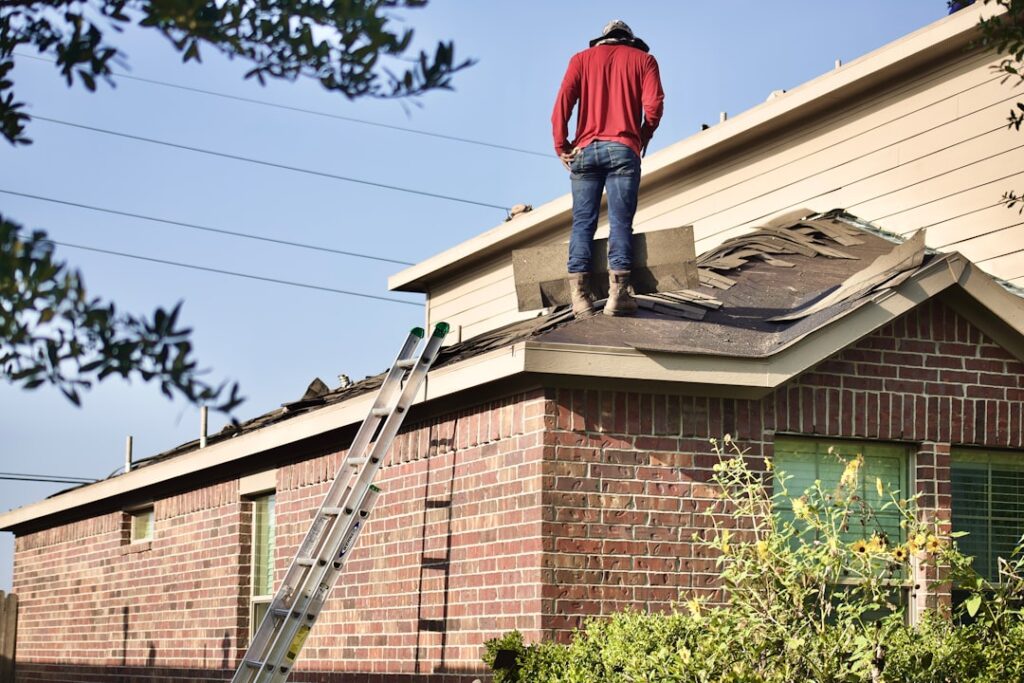
Why Regular Roof Maintenance Matters for Grand Haven Homeowners
Routine roof care protects homes in Grand Haven from Lake Michigan’s variable weather. Regular checks and minor upkeep help local residents spot wear early, guarding against leaks, mold growth, and insulation problems. In a community where spring storms, wind-driven rain, and coastal humidity impact housing, a bit of attention each season can extend a roof’s lifespan and reduce costly repairs.
What Parts of a Roof Should Homeowners Check Each Season?
Focus on visible, accessible areas using binoculars or a sturdy ladder. Key zones include:
- Shingles: Look for curling, blistering, cracks, or missing pieces—especially after heavy winds or storms. Granule loss or bald spots signal aging.
- Flashing: Metal strips around chimneys, skylights, and vents should be flat and rust-free. Damaged flashing can lead to water intrusion.
- Gutters and Downspouts: Ensure they're free from debris and attached securely. Overflowing gutters are a major cause of fascia board and siding rot.
- Roof Valleys: These channels guide water off the roof. Keep valleys clear of twigs, leaves, and seed pods that often gather here in spring and fall.
- Attic Interior: After rain, inspect rafters for damp spots or stains. These reveal leaks not yet visible outside.
How Should Homeowners Safely Remove Debris and Moss?
Gradual buildup of leaves, pine needles, and moss can trap moisture against the roof, accelerating rot or shingle decay. To clear debris:
- Use a roof rake or soft broom from a ladder, directing material down the slope.
- For single-story homes, a leaf blower can work if used on a dry day with stable footing.
- Remain at roof edge—never stand or walk on steep, wet, or mossy surfaces.
- For moss, a gentle scrub with a soft-bristle brush works for small patches. Avoid pressure washers; they can damage shingles.
Long-term, trimming back overhanging branches and clearing gutters in spring and late fall can slow moss and debris buildup. If moss growth is widespread or thick, chemical treatments may be considered, but always follow eco-friendly practices to protect local waterways.
Are There Signs of Roof Damage That Signal Urgency?
Certain warning signs should prompt immediate attention to prevent bigger problems:
- Missing or sliding shingles after a storm
- Exposed nails or popped shingle fasteners
- Large areas of shingle granules in gutters
- Sunlight visible through attic boards during the daytime
- Water stains or streaks forming on interior ceilings or near tops of walls
Any of these issues can lead to rapid deterioration, especially ahead of Grand Haven’s rainy spring or winter freeze-thaw cycles, which can drive water into even tiny openings.
How Does Local Weather Affect Roof Care Needs?
Seasonal shifts in the city bring specific roof challenges. For example:
- Wind-driven rain in early spring can push under loose shingles.
- Freeze-thaw cycles in late winter expand small leaks into larger issues as water freezes, then melts.
- Summer humidity can foster mold and moss growth, especially on shaded roof sections.
- Autumn leaf litter can quickly clog gutters, causing overflow during heavy rainfall.
Understanding these rhythms helps area households pick the right times for inspections and debris clearing.
What Common DIY Mistakes Should Be Avoided?

Local homeowners aiming to care for their roofs themselves sometimes inadvertently cause damage by:
- Using a pressure washer, which can lift edges of shingles or wash away protective granules
- Applying roof coatings or sealants without cleaning the surface first, trapping moisture underneath
- Nailing down loose shingles without matching fastener type or using incompatible materials
- Ignoring vent openings—blocked attic vents can trap heat and moisture, leading to mold or ice dam formation
Simple, visual inspections and gentle cleaning practices are typically enough for routine maintenance.
How Can Residents Prepare Roofs for Major Weather Events?
Before heavy snow, thunderstorms, or wind warnings:
- Secure items that might blow onto the roof, such as patio furniture or grills.
- Clear gutters and downspouts to prevent ice backup and water overflow.
- Look for loose or damaged flashing—especially along the lakefront, where winds are strongest.
- Confirm that downspouts direct water at least three feet away from the foundation, protecting siding and structure.
A pre-season check in late fall and again in early spring can catch many issues before storm season peaks.
When Should a Homeowner Seek Outside Help?
While most routine maintenance is safe for residents with single-story homes and basic tools, certain scenarios warrant qualified intervention:
- Roofing material is visibly sagging, or decking feels soft when pressed from the attic
- Major leaks develop during storm events
- You notice animals nesting in roof vents or eaves
- The home has steep or high-pitched roofs that are unsafe to access without specialized safety gear
Grand Haven households in these situations should prioritize personal safety and long-term structural health.