

 See My Latest Article on HelloNation
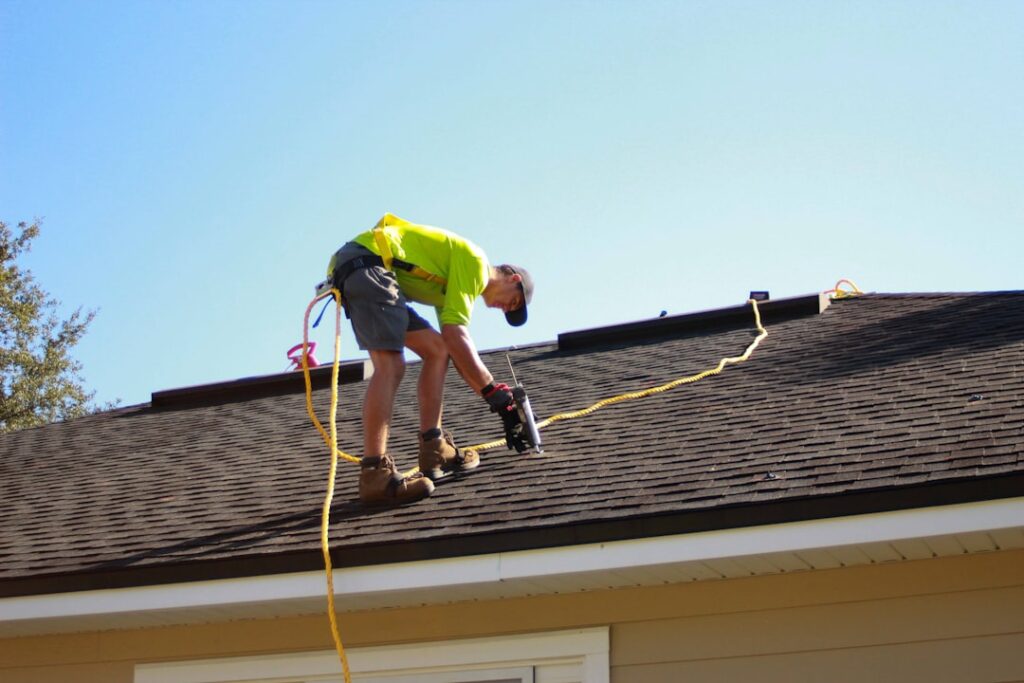
What Causes Roof Leaks in Grand Haven, MI?
Most roof leaks experienced by households in Grand Haven start from wear and tear, weather exposure, or overlooked minor issues that grow into bigger problems. The local climate—with plenty of seasonal changes, high winds off Lake Michigan, heavy snows, and spring storms—puts extra pressure on roofs. Residents often ask why leaks seem to appear suddenly, but in most cases, the root cause starts months or years earlier with small, correctable issues.
Common sources include:
- Aged, cracked, or missing shingles from wind and sun exposure
- Clogged gutters overflowing and forcing water under roofing materials
- Damaged or improperly sealed flashing around chimneys, vents, or skylights
- Ice dams forming along roof edges in winter, trapping melting snow
- Moss or debris buildup that holds moisture on the surface
Understanding these root causes helps make prevention far easier.
How Can Regular Inspections Help Prevent Roof Leaks?
Annual roof inspections—especially after stormy weather or before the winter thaw—are a practical way to spot issues while still minor. Residents can safely do a basic inspection with binoculars from the ground if comfortable, looking for:
- Curling, cracked, or missing shingles
- Rust spots or holes on flashing
- Sagging areas or uneven surfaces
- Piles of granules at the ends of downspouts (a sign shingles are wearing out)
- Moss, lichen, or areas of dampness that persist after rain
Interior inspections are equally helpful. Check attic ceilings for water stains, mold, or damp spots, especially after wind-driven rain or rapid snowmelt. Catching these signs early means repairs are less disruptive and usually less costly.
Can Gutter Maintenance Really Prevent Leaks?
Absolutely. In Grand Haven, falling leaves, pine needles, and seed pods can clog gutters several times a year—especially in neighborhoods with mature trees. Blocked gutters allow water to back up, seep under shingles, and eventually cause rot along roof edges and fascia boards.
Best practice is to clean gutters:
- At least twice each year—after leaf drop in fall and after pollen or seed fall in spring
- After severe storms, when debris has likely collected
- When pooling water is visible in the gutter or overflowing during rain
Make sure downspouts direct water several feet away from the home’s foundation. Attending to gutters is one of the simplest, most effective prevention strategies available to local residents.
What is the Role of Attic Ventilation and Insulation?
Proper attic ventilation and insulation help protect roofs in both summer and winter. When attic air stagnates and insulation is thin or patchy, several risks increase:
- In winter, insufficient insulation and blocked vents trap warm air that melts snow on the rooftop. This can create ice dams as the meltwater refreezes at the eaves, forcing water under shingles.
- In summer, poor attic airflow causes excess heat buildup that prematurely ages roofing materials and dries out protective sealants.
Practical steps include:
- Checking that attic vents (at the soffit and ridge) are not blocked by insulation, dust, or animal nests
- Confirming insulation is evenly distributed and at recommended levels for local climates
- Looking for any signs of moisture or mold when accessing attic spaces
How Do Flashings and Roof Penetrations Contribute to Leaks?
Flashing—thin metal strips sealing the areas around chimneys, skylights, and vent pipes—are frequent weak points. Over time, flashing can corrode, lift, or crack, especially with repeated freezing and thawing common in Grand Haven’s winters.
Key preventive actions:

- Inspect visible flashing and caulking at least once a year, ideally in spring or fall
- Look for gaps, rust, or peeling where flashing meets brick, siding, or the roof surface
- Replace cracked caulking and secure loose flashing promptly. Small fixes can prevent water from sneaking under roofing materials.
It’s a misconception that new roofs never need attention at these vulnerable spots; even relatively new installations can develop small leaks if flashing is disturbed by wind, wildlife, or settling.
Do Tree Limbs Over Roofs Increase Leak Risks?
Yes. Overhanging branches can scrape shingles during high winds or storms and drop leaves and twigs directly onto the roof, encouraging moss and debris buildup.
To minimize risks, homeowners should:
- Trim tree branches back so they remain at least a few feet from the roof surface
- Remove accumulations of leaves or organic matter, particularly after storms
For households in Grand Haven’s wooded neighborhoods, this simple routine can extend roof life and cut down on maintenance needs.
Are Roof Leaks More Common During Certain Seasons?
Roof leaks often reveal themselves during late winter and spring in Grand Haven, when snow and ice thaw quickly and heavy rains arrive. Ice dams are especially problematic after periods of deep snow followed by rapid warming, leading to significant water back-up.
Preventive steps residents can take before the seasons change include:
- Clearing gutters and checking downspouts before winter sets in
- Inspecting attic insulation and ventilation well ahead of peak snowfall
- Removing snow buildup from roof edges with a roof rake when safe to do so, reducing the risk of ice dams
Proactive checks just before and after seasonal transitions help ensure small issues don’t become major headaches during periods of heavy precipitation.
What Are the Most Overlooked Steps in Leak Prevention?
Many homeowners only check visible roofing surfaces and miss less obvious trouble spots. Areas that are easy to overlook but crucial for prevention include:
- Vent pipe boots—these rubber or plastic seals often crack before other components age
- Roof valleys—where two slopes meet often collect debris and water
- Chimney crowns and siding transitions—places where roofing meets other building materials
Inspection routines that include all roof penetrations—not just shingles—will catch early signs of trouble and help maintain a watertight home.