

 See My Latest Article on HelloNation
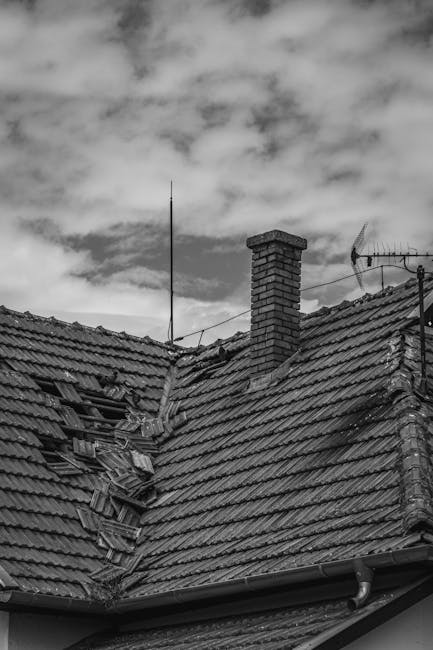
Why Do Roof Inspections Matter in Grand Haven, MI?
Routine roof inspections let homeowners discover problems early, before minor issues grow into headaches. In Grand Haven’s climate—known for cold winters, heavy snow, rapid temperature swings, and lake-driven winds—roofs face continual stress that can shorten their lifespan if left unchecked.
Many residents don’t look at their roofs until a leak appears or shingles go missing. By then, water might have soaked into insulation or wood, causing silent damage long before interior signs show. Regular checks help prevent this, reducing the likelihood of costly repairs and offering peace of mind, especially after storms or harsh winters.
What Risks Are Unique to Grand Haven Roofs?
The city’s proximity to Lake Michigan shapes the local weather in ways that significantly affect residential roofs. Roofs here contend with:
- Lake-effect snow that piles on in winter, adding unexpected weight and moisture
- Freeze-thaw cycles that worsen small cracks or lift up shingles as trapped moisture expands and contracts
- Persistent wind from the lake, which can slowly loosen fasteners or pull up flashing around chimneys and vents
Additionally, local neighborhoods feature a mix of older homes with original roofing, bungalows with low slopes, and newer builds using modern materials. These different structures each hide their own vulnerabilities—older wood underlayments, poorly ventilated attics, or valleys susceptible to pooling water.
How Often Should Roofs Be Checked, and When?
In general, area homeowners benefit from a thorough inspection at least once a year. This is especially crucial after severe winter storms or intense wind events, which tend to hit the lakeshore communities hard.
Late spring and fall are often the best times for routine roof checks:
- Spring inspections can catch problems caused by ice dams, snow load, or hidden leaks.
- Fall allows local residents to prepare roofs for the weight and moisture of winter.
Following a major weather event—such as a windstorm that brings down limbs or rains that flood gutters—a prompt roof review ensures that any new damage is caught quickly.
What Does a Thorough Inspection Involve?
A complete assessment involves more than just a glance from the ground. The following areas should be checked carefully:
- Shingles: Look for curling, cracking, missing shingles, or granules collecting in gutters.
- Flashing: Examine the metal strips around chimneys, vents, or skylights for rust, gaps, or signs the seal has failed.
- Gutters and Downspouts: Clogged or damaged gutters cause water to back up, spilling under shingles or onto siding.
- Attic Spaces: Signs of water stains, damp insulation, or mold indicate leaks that may not be visible from the outside.
- Roof Deck: Sagging rooflines or soft spots can reveal more serious structural issues, especially in older Grand Haven homes.
Paying attention to what’s happening inside—such as new water spots on ceilings or musty odors—can also guide residents to hidden trouble.
What Are Common Misconceptions About Roof Health?
Many homeowners believe that no visible leaks mean a roof is sound. However, water intrusion may take months or years to show inside. Some also assume newer roofs don’t need checking. Even recently installed systems can develop issues with venting, fastener pull-out, or vulnerable flashing.
Another common myth is that moss and algae are purely cosmetic. In Grand Haven’s moist, lakeshore environment, unchecked growth can hold moisture against shingles, causing premature wear.
What Issues Can Regular Checks Uncover or Prevent?
By scheduling periodic reviews, homeowners often discover:
- Early signs of shingle loss or curling before widespread failure occurs
- Blocked gutters leading to ice dams or trapped roof moisture
- Cracked caulk or failing seals around roof penetrations
- Animal nests, which are common near wooded areas, that can damage vents or soffits
- Mold or decay in attic spaces caused by chronic leaks
These problems, if addressed early, help households avoid larger expenses and safeguard both the roof and the integrity of the entire house.
Are There Safety or Regulatory Considerations?
Roof inspections often involve climbing ladders or walking on slopes, which present a fall risk—especially during or after wet, icy, or windy conditions common in this region. Residents with steep roofs or multi-story homes are generally safer inspecting from the ground using binoculars and monitoring for warning signs indoors.
If structural damage, mold, or suspected asbestos in old materials is discovered, this requires special handling. In these cases, regulations may require notification to property insurance or municipal codes, especially for repairs involving structural changes.
Practical Steps for Grand Haven Households
Residents can adopt these habits for better roof care:
- Clear gutters and downspouts each spring and fall, and after leaf drop.
- Trim tree branches away from the roofline to minimize limb and debris fall.
- After any significant weather event, visually scan the roof from the ground for changes or new debris.
- If possible, check attic spaces for water stains, daylight penetration, or mustiness at least twice per year.
Taking these steps supports the roof’s health, saving on future repairs and preserving home value in this lakeshore community.