

 See My Latest Article on HelloNation
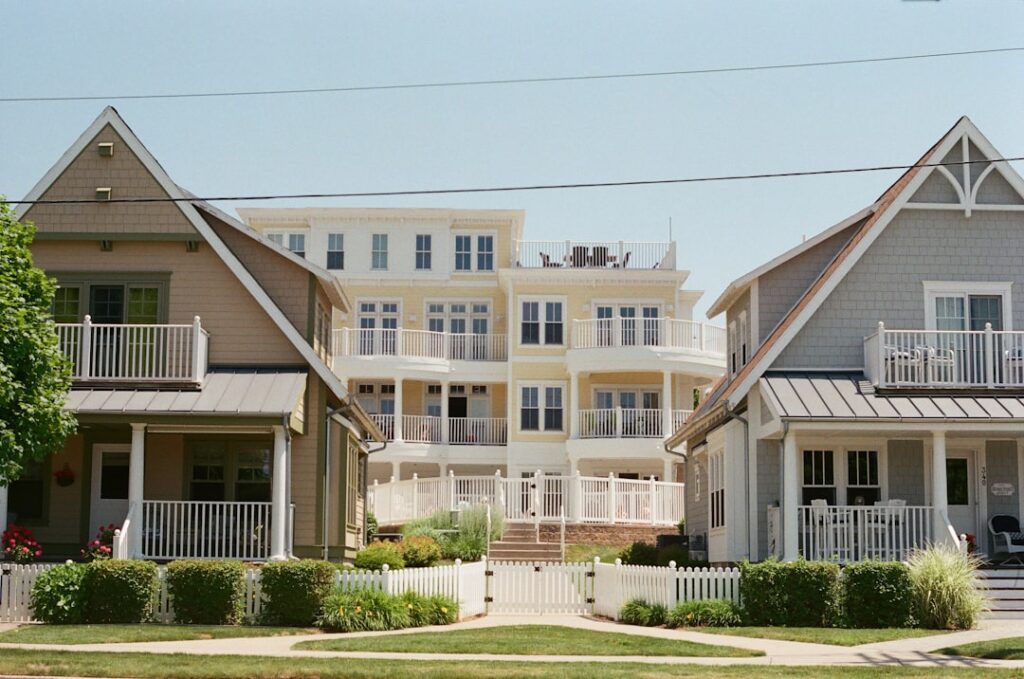
Living in Grand Haven, MI, means enjoying the beauty of Lake Michigan’s shoreline, vibrant local events, and all four seasons—often in their most extreme forms. But with this unique lifestyle and climate comes a special responsibility for homeowners: maintaining the exterior of your house, especially your siding. Knowing the signs that your siding needs to be replaced is crucial not only for your home’s curb appeal but also for its protection against the ever-changing West Michigan weather.
Why Siding Matters in Grand Haven
Siding acts as the first line of defense against the elements. Whether you’re braving lake-effect snow, spring downpours, or the sun-drenched days of summer, the right siding keeps your home insulated and dry. In a lakeside community like Grand Haven, where humidity, wind, and temperature swings are the norm, siding conditions can deteriorate faster than in more temperate climates.
Common Signs Your Siding Needs Replacement
How can you tell if your home’s siding has reached the end of its service life? Below are some sure indicators that it’s time to consider investing in new siding for your Grand Haven property.
*1. Warping or Buckling*
If you notice your siding panels are no longer lying flat against your house—or are bubbling or buckling—this is often a sign that moisture has seeped behind them. This is especially common in areas close to Lake Michigan, where moisture levels are high. Warped siding isn’t just unsightly; it can indicate hidden water damage and reduced protection.
*2. Rotting or Soft Spots*
Take a walk around your home and press gently on different sections of the siding. Do you find any areas that feel soft, spongy, or give under pressure? Rotted siding can lead to more severe structural damage if left untreated. In Grand Haven’s damp, rainy spring and fall months, wood siding is especially vulnerable to rot.
*3. Cracking, Gaps, or Holes*
Cracks and holes in siding don’t just look bad—they’re an invitation for water, pests, and even small animals to enter. Cold winters and freeze-thaw cycles in West Michigan can cause these types of siding damage to worsen quickly. Even small openings can let wind-driven moisture into your walls, leading to costly repairs.
*4. Faded or Peeling Paint*
If your siding’s color is noticeably faded or paint seems to be peeling off, it means the material underneath isn’t holding up to the elements. Most paint on siding should last at least 8–10 years. If you find yourself needing to repaint every few years, this is a sign that your siding is no longer up to the task, and replacement may be in order.
*5. Mold, Mildew, or Fungus*
Any presence of mold, mildew, or fungus—especially around seams—may indicate water penetration or improper drainage. In a lakeshore town like Grand Haven, these issues are particularly common due to the humidity and frequent precipitation, especially near the end of winter and into early spring.
*6. Increasing Energy Bills*
One of the sneakier signs of failing siding is a sudden increase in heating or cooling costs. This may mean your siding has lost some of its insulating properties or that there are drafts caused by gaps or missing sections. Grand Haven locals know that winter heating costs add up quickly, so siding issues could be costing you more than you think.
*7. Blistering or Bubbling*
If you notice blisters or bubbles forming under the siding’s surface, this almost always indicates moisture is trapped beneath. This sort of damage is more often seen in vinyl siding, and it's frequently caused by high humidity or poor ventilation—conditions that often occur along the lakeshore.
*8. Frequent Need for Repairs*
If you’re constantly patching holes, fixing cracks, or dealing with loose panels, your siding may have reached its natural lifespan. Frequent repairs are not only a hassle but may end up costing more in the long run than a full replacement.
Why Replacing Siding Matters in Grand Haven
The exterior of your home isn’t just about looks—though keeping up with the charming, well-maintained vibe of Grand Haven’s neighborhoods is certainly a perk. Proper siding replacement:
- Helps prevent water and moisture damage to your home’s structure
- Insulates your home, making it more energy efficient during Michigan’s cold winters and humid summers
- Increases property value, which is important in a competitive housing market
- Maintains your home’s curb appeal, blending in with the picturesque lakeside community

When to Inspect Your Siding
It’s a good practice for Grand Haven homeowners to thoroughly inspect their siding at least twice a year—ideally once in late spring after the freeze-thaw cycles, and again in early fall before winter sets in. Pay special attention after harsh storms, which can bring wind-driven rain or even hail off Lake Michigan.
Choosing the Right Siding for Grand Haven Homes
If you’ve noticed some of these warning signs and are considering new siding, choose materials suited for Michigan’s coastal climate. Many Grand Haven residents opt for:
- Vinyl: Highly weather-resistant and low maintenance.
- Fiber Cement: Offers durability and resistance to moisture.
- Engineered Wood: Delivers the look of traditional wood, with better moisture protection.
Local lifestyle factors—like proximity to the lake, the salty air, and exposure to winter storms—should play an important role in your siding choice. Consulting with a local expert ensures your new siding is installed to stand up to all the unique challenges of living in Grand Haven.
Don't Wait Until It’s Too Late
It’s easy to ignore aging siding until the problems become major headaches. By learning the signs of worn-out siding and addressing them early, you’ll protect your investment, reduce repair costs, and keep your Grand Haven home looking great for years to come. Enjoy the beaches, festivals, and small-town charm—without worrying about what’s happening to the exterior of your house.
If you have more questions about siding inspections or replacement, reach out to a local roofing and siding professional to discuss your options.