

 See My Latest Article on HelloNation
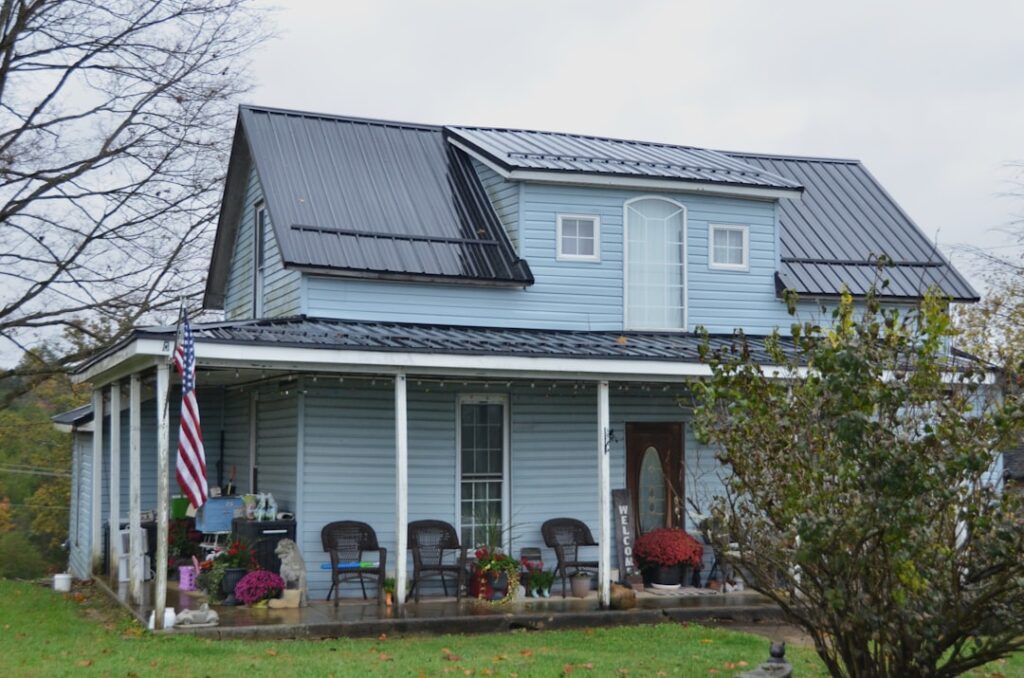
Why Does Color Matter for Roofs and Siding in Grand Haven, MI?
Color choices for roofs and siding impact more than just appearance. The shades you select affect curb appeal, temperature regulation, and how well your home blends with its surroundings. In Grand Haven, MI, these factors are especially important due to the area's natural light, lakeshore climate, and balance of historic and modern homes.
What Role Does Climate Play in Choosing Roof or Siding Colors?
Lighter colors reflect sunlight, while darker shades absorb heat. In a city with cold winters and mild summers, like Grand Haven, lighter-color roofs can help reduce heat gain in summer, but darker colors can be beneficial by providing slight warmth during chilly months. For siding, lighter hues can reduce the risk of fading caused by the sun, which is a consideration as lake effect light—especially on west-facing homes—can be intense.
How Do Colors Affect the Look and Feel of a Home?
The right color choice can make a house appear larger, cozier, or more architecturally correct for its style. For example:
- Light siding colors such as off-white, beige, or light gray tend to make homes look bigger and are popular for bungalows or cottages along the lakeshore.
- Darker shades like navy, deep green, or charcoal can add drama and modern appeal, especially on simple ranch or contemporary styles.
- Earth tones often blend seamlessly with wooded or dune-side properties.
Homeowners sometimes overlook that roof and siding should coordinate but not exactly match. A contrasting but complementary palette enhances architectural features and keeps a home from appearing monotone.
What Local Trends and Neighborhood Factors Influence Color Choices?
Grand Haven has a blend of older neighborhoods with traditional homes and newer developments with a modern feel. While personal taste is key, looking around the community can provide inspiration and guidance:
- In historic districts, muted or natural colors are common, reflecting heritage and maintaining cohesion.
- Newer homes may showcase bolder or deeper hues, but extremes are rare.
- Lake proximity can inspire light, airy palettes that reflect the coastal feel.
Homeowner associations and some city guidelines may also provide direction or restrictions on color options, especially in planned communities or areas near historic properties.
What Other Factors Should Grand Haven Residents Consider?
Beyond personal preference, residents should think about:
- Roof Color Longevity: Dark roofs may show fading faster than light ones in direct sunlight.
- Siding Maintenance: Lighter siding shows dirt and mildew more easily but hides small scratches or weathering better than dark siding.
- Landscape and Surroundings: A home set in trees may look best with earthy tones; on open lots, grays and blues can stand out without overpowering the view.
Consider local weathering patterns. In areas prone to wind-blown sand or snow, color choices that hide residue between cleanings may be preferred.
What Are Some Common Color Selection Mistakes?
Residents sometimes choose colors based on small samples without seeing them in natural daylight. Grand Haven's changing weather means colors can look different in bright sun, fog, or dusk. It’s wise to:

- View larger samples on the actual home exterior
- Observe samples at different times of day and in various weather conditions
Another pitfall is following fleeting trends or choosing colors that clash with permanent home features like brick accents, stonework, or existing trim.
How to Coordinate Roof and Siding Colors for a Cohesive Look?
A unified home exterior doesn’t require everything to match; it’s about harmony. Try pairing a mid-tone roof (such as warm grays or browns) with siding that’s two to three shades lighter or darker. White or cream trim remains a timeless way to tie together bolder roof or siding colors without overwhelming the home.
For example:
- Gray roof shingles with pale blue or sage green siding
- Dark brown roof with tan or warm beige siding
- Black roof (increasingly popular for modern looks) with crisp white or deep gray siding
Are There Any Color Choices That Improve Resale Value?
While individual taste varies, homes painted in classic, neutral, or nature-inspired shades tend to have broader appeal if resold. Extreme hues, like bright reds or saturated yellows, might limit buyer interest unless they’re historically appropriate or meticulously executed. Many buyers appreciate exteriors that signal low upkeep and fit naturally with the neighborhood.
What’s the Best Way to Test a Color Before Committing?
The surest approach is to view color samples on the actual house, ideally on both shady and sunny sides. Some products also offer digital visualizers, though real-life samples give the truest results in the city’s shifting lakeshore light.
Test patches near trim, brick, or large landscaping elements. This step helps avoid surprises and ensures satisfaction with the color choice long-term.