

 See My Latest Article on HelloNation
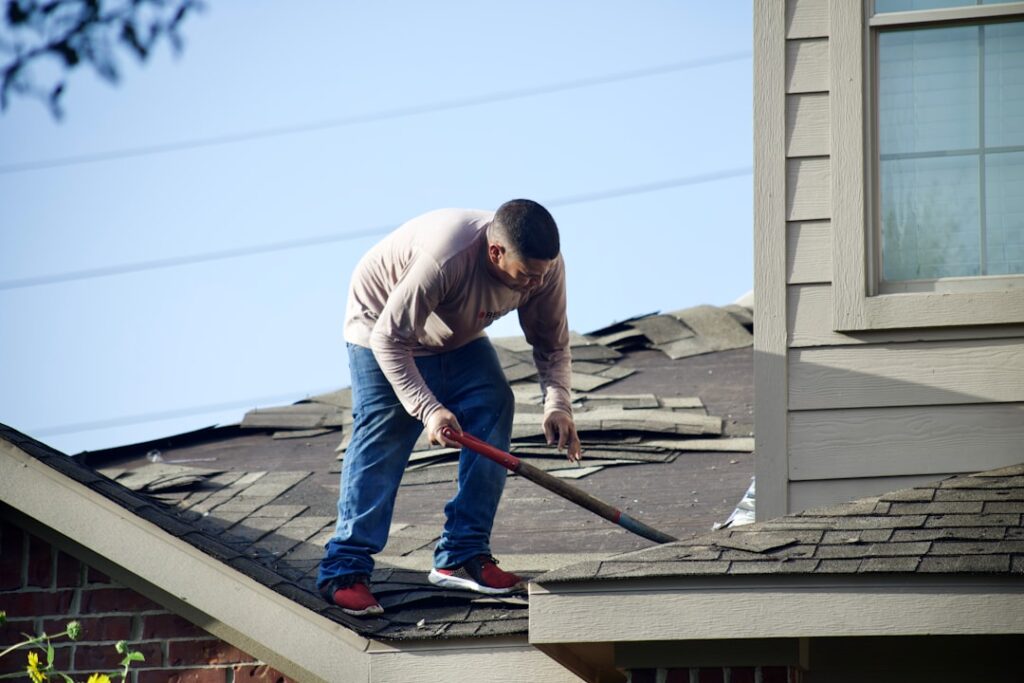
What Season is Usually Best for Roof Replacement in Grand Haven, MI?
In Grand Haven, most roofs are replaced in the late spring, summer, or early fall. These months tend to offer the best weather for roofing work, balancing comfortable temperatures and the lowest likelihood of weather delays. While winter is the least popular time due to cold, snow, and ice, roof replacement is technically possible any time of year—just with varying challenges.
Summer, especially from June through September, typically provides ideal roofing conditions. Temperatures range from the upper 60s to 80s, skies are generally clearer, and precipitation is less frequent than other seasons. These factors together allow for efficient, high-quality roof work—roofing materials seal well, and work crews can operate safely and quickly. Spring and early fall can also be excellent, with similar temperatures but a bit more unpredictable rainfall.
Why Do Weather and Temperature Matter When Replacing a Roof?
Roofing materials and methods are heavily influenced by local weather. Most asphalt shingles—common on the majority of homes in the area—require mild to warm temperatures to properly adhere and seal. If it's too cold, shingles can become brittle and not lay flat, which affects longevity and resistance to wind or leaks. Wet conditions also increase safety concerns, make surfaces slippery, and can extend the project timeline.
In Grand Haven’s climate, late spring offers enough warmth for proper material installation but tends to have less severe heat than high summer. Excessive heat, however, can be tough for installers and, in rare moments, may cause some materials to work less predictably if temperatures spike high enough for long periods.
Can Roofs Be Replaced During the Winter in Grand Haven?
Roof replacement is possible during the winter months, but it’s almost never ideal. Area winters routinely bring sub-freezing temperatures, snow, and sharp winds off Lake Michigan, all of which challenge both roofing crews and the materials themselves. Asphalt shingles generally require temperatures of at least 40°F to seal correctly; self-sealing strips may not activate until warmer days arrive, increasing the risk of wind damage during the interim.
Ice and snow also present safety hazards and can delay completion. Unexpected thaws might briefly provide workable windows, but these are hard to predict and often short-lived. Winter roof replacement in Grand Haven is typically limited to emergency repairs or when leaks or damage demand immediate action.
Does Humidity or Rain Affect Roof Replacement Scheduling?
Humidity and rain are common factors in the city, especially mid-spring and into fall. Light humidity is generally not a problem for roofing work, but high humidity and precipitation can slow down or halt a project. Wet conditions not only increase the risk of slip hazards but can also inhibit the installation of underlayment, adhesives, or sealants.
Roofers in Grand Haven often monitor forecasts and may reschedule workdays to avoid rain and thunderstorms. Short, localized showers—particularly in spring—may result in minor project delays rather than significant postponements.
Are Permit or Scheduling Factors Important in the City?
Like most communities across the region, residents need to comply with municipal building permits when replacing a roof. The city’s inspection schedule can fill up fast during peak seasons (late spring through early fall), which sometimes leads to short delays in project start dates. Homeowners may also need to plan for gaps between initial permitting and actual replacement to account for inspection, administrative processing, or seasonal demand.
Neighborhood regulations—such as in certain HOA-managed communities—may also restrict when noisy, disruptive work can occur. Spring and fall are generally less tightly booked across the city, which may make scheduling with contractors, inspectors, and material suppliers a bit smoother.
Are There Less Obvious Factors to Consider?

Several often-overlooked factors can influence the ideal time for a roof project:
- Living arrangements: Re-roofing can be noisy and disruptive. Families often prefer weeks when children are in school or during periods when windows can remain closed.
- Landscaping: Late spring and early fall limit plant or garden damage, as intense summer sun and heat or harsh winter conditions are avoided.
- Price variability: Demand for roof work is highest in the local summer, so materials and labor prices can sometimes be slightly higher. If a roof is still serviceable, late spring or early fall may offer modest savings and more flexible scheduling.
- Personal or household calendar: Major events at home, vacations, or remote work arrangements may also impact when residents prefer to schedule roof work.
Careful planning helps ensure not only safe and durable results but also minimal disruption to daily life.
What Should Residents Do If a Roof Needs Immediate Replacement Out of Season?
There are times when waiting for ideal weather isn’t realistic—such as after storm damage, sudden leaks, or serious structural issues. In these cases, temporary emergency repairs may be performed until safer, warmer weather returns and a full replacement can be completed. Severe damage caused by wind or ice dams during winter often leads to this approach.
For issues jeopardizing attic insulation, ceilings, or interior air quality, local safety codes and insurance requirements may supersede seasonal recommendations.