

 See My Latest Article on HelloNation
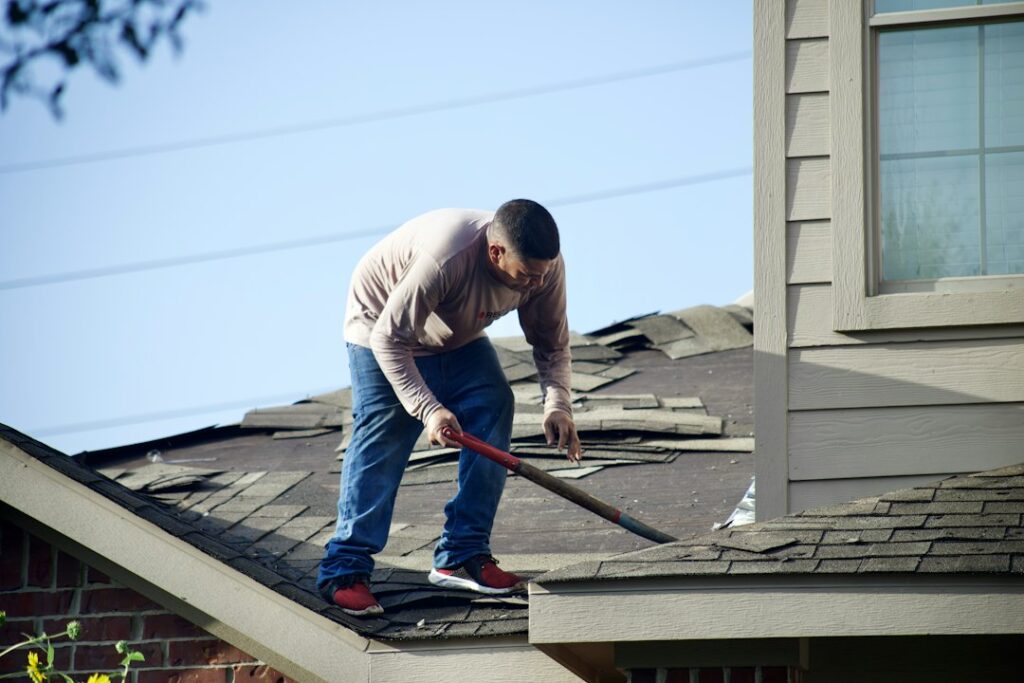
Roofing materials are rated for how well they resist fire, but the roof covering is only one part of a home’s overall protection. The roof deck, underlayment, vents, flashing, nearby vegetation, and installation quality can all affect how a fire behaves.
For households in Grand Haven, MI, choosing a fire-resistant roofing system can also involve balancing fire performance with resistance to wind, winter moisture, freeze-thaw cycles, and heavy snow.
What makes a roofing material fire-resistant?
A fire-resistant roof is designed to slow the spread of flames across the roof surface and reduce the chance that burning embers will ignite the structure. Roofing products are commonly grouped into Class A, Class B, or Class C classifications based on standardized fire testing.
- Class A provides the highest level of fire resistance.
- Class B provides moderate protection.
- Class C provides protection against lighter fire exposure.
The rating applies to a tested roof assembly, not always to a roofing material by itself. The covering may be tested with a particular underlayment, roof deck, or installation method. Changing one part of that assembly can affect the final classification.
A Class A label is generally the most useful starting point for homeowners who want the highest commonly available level of roof-covering fire resistance.
Which roofing materials offer the strongest fire resistance?
Several common roofing materials can achieve a Class A rating when properly installed as part of a tested assembly.
Asphalt shingles
Many fiberglass-reinforced asphalt shingles are available with Class A ratings. Their fire performance comes partly from the fiberglass mat and mineral content, rather than from the older organic-felt construction used in some earlier products.
Asphalt shingles are widely used on homes because they are relatively light, compatible with many roof designs, and available in a broad range of styles. Fire resistance still depends on the exact product and installation system, so the packaging or documentation should identify the tested classification.
Metal roofing
Steel, aluminum, copper, and other metal roofing systems are generally noncombustible at the roof surface. A metal roof may qualify for Class A performance, especially when installed over an approved roof deck and underlayment.
Metal roofing does not automatically make the entire roof assembly fireproof. The deck beneath it may still be combustible, and gaps around penetrations or poorly detailed edges can provide paths for embers. Metal panels must also be fastened correctly to withstand wind and snow-related stresses.
Clay and concrete tile
Clay and concrete tiles are noncombustible and can provide excellent fire resistance. They are often used where a durable, heavy roof covering is appropriate.
Their weight requires the roof framing to be designed or verified for the added load. In a northern lakeshore climate, cracked tiles, damaged fasteners, and movement caused by freeze-thaw conditions should be addressed because water can enter beneath the covering even when the tile itself resists fire.
Slate
Natural slate is highly fire-resistant and can provide a long service life when the supporting structure is suitable. Its main limitation is weight. Older homes may not have framing designed for a slate roof, and replacement or repair requires careful attention to the existing structure and fastening system.
Fiber-cement and similar composite products
Some fiber-cement and composite roofing products are manufactured to resist flame and embers. Performance varies significantly among products, so the material should be evaluated by its listed fire classification rather than by its name alone.
Is a Class A roof enough to protect a house?
No. A Class A roof improves protection, but it cannot prevent every type of fire damage.
Windborne embers can enter through:
- Open or damaged soffit vents
- Ridge vents without appropriate ember protection
- Gaps at roof edges
- Chimneys and other penetrations
- Broken shingles, tiles, or panels
- Accumulated leaves and debris in valleys or gutters
A fire can also spread through attached decks, fences, vegetation, siding, or stored materials before the roof covering itself fails. Fire resistance should therefore be viewed as one layer of protection within a larger home-maintenance plan.
How do Grand Haven weather conditions affect the choice?
Homes in Grand Haven face moisture from rain and snow, winter freeze-thaw cycles, strong weather systems, and lake-influenced snowfall patterns. A roof that resists fire but allows repeated water entry will not provide dependable long-term protection.
Important considerations include:
- Wind resistance: Loose shingles, lifted metal panels, and damaged flashing can create openings for embers and precipitation.
- Snow and ice: Heavy snow adds weight, while ice dams can force water beneath roof coverings.
- Moisture management: Underlayment, flashing, ventilation, and roof drainage help protect the deck beneath the fire-resistant surface.
- Algae and organic debris: Damp conditions can encourage buildup in shaded areas, valleys, and gutters. Dry leaves and other debris can become ignition sources.
- Roof slope: Steeper roofs may shed embers and water differently from low-slope roofs, making the complete tested assembly especially relevant.

The most fire-resistant material is not necessarily the best choice if the roof structure, slope, ventilation, or drainage system is unsuitable for it.
Does roofing underlayment affect fire safety?
Yes. Underlayment can influence the performance of the complete roof assembly and helps limit water intrusion after the outer covering is damaged.
Some underlayments are designed to provide additional fire resistance, while others primarily address water protection. Their compatibility with the selected shingles, panels, tile, or slate matters. Installing a product that has not been evaluated with the roof covering may change the assembly’s tested performance.
Underlayment should not be treated as a substitute for a fire-rated roof covering. Instead, it is one part of the system that supports both fire and weather performance.
Are wood shingles and shakes fire-resistant?
Untreated wood shingles and shakes are combustible and generally provide less fire protection than metal, tile, slate, or fiberglass-reinforced asphalt products. Some wood products receive fire-retardant treatment and may qualify for a fire classification under specific conditions, but the rating depends on the exact product and installation method.
Wood roofing also requires careful maintenance. Moss, leaves, pine needles, and other organic material can retain moisture and later become combustible when dry. Any wood roof should be evaluated according to its actual listed rating rather than its appearance or treatment claim.
What should homeowners check before replacing a roof?
Before selecting a material, review the entire roof system rather than comparing surface materials alone.
Useful questions include:
- Is the proposed roof covering listed as Class A, B, or C?
- Does the rating apply to the complete assembly being installed?
- Is the roof deck in sound condition?
- Are vents, chimneys, skylights, and penetrations properly detailed?
- Can the existing framing support heavier materials such as tile or slate?
- Does the system meet current Michigan construction requirements?
- Are the fasteners, underlayment, flashing, and ventilation compatible with the covering?
- Are nearby gutters, soffits, decks, and siding creating additional ember or flame exposure?
Current code requirements can vary by building type, roof design, lot conditions, and local enforcement. If a roof has structural damage, active leaks, fire exposure, or unsafe access conditions, evaluation by a qualified building or roofing professional is warranted.
What maintenance improves fire resistance?
Routine maintenance helps preserve the protection provided by the original roof assembly.
Keep gutters and valleys clear of dry leaves and debris. Replace cracked or missing roofing units, repair damaged flashing, and inspect areas around chimneys, vents, and roof penetrations. Trim branches that overhang the roof, and avoid storing combustible materials against the house.
For homes with wood siding, decks, or attached garages, roof safety should be considered together with exterior-wall and ground-level fire exposure. A fire-resistant roof is most effective when the surrounding parts of the property do not create easy paths for flames or embers.