

 See My Latest Article on HelloNation
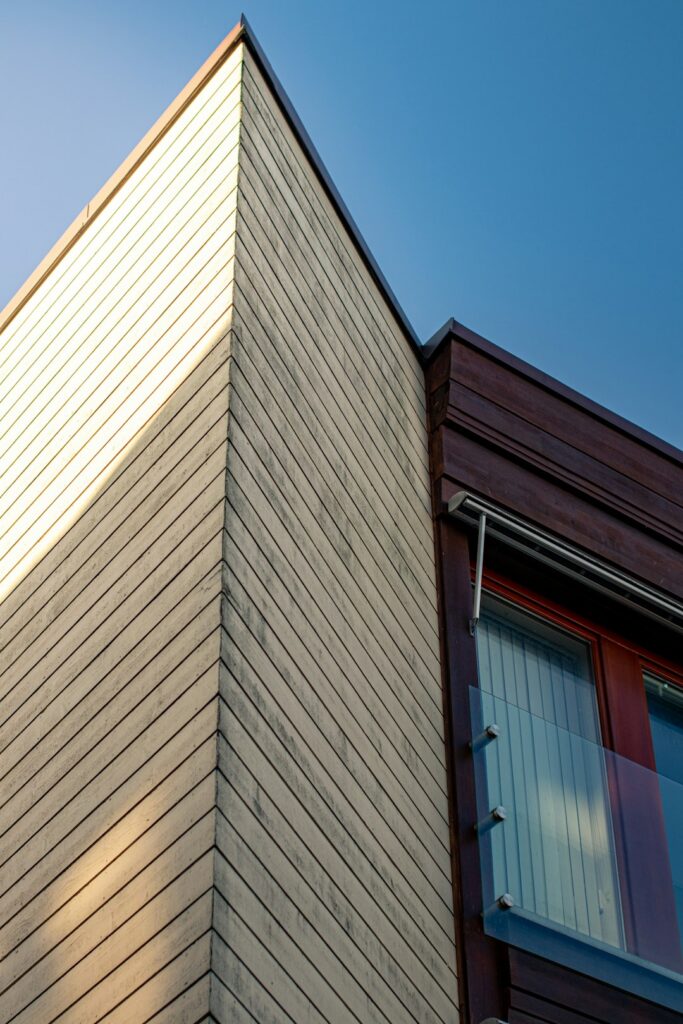
Siding does more than shape a home’s appearance. It helps shed rain, resist wind, protect wall assemblies from moisture, and reduce exposure to seasonal temperature changes. In Grand Haven, MI, siding also has to handle humid summers, cold winters, strong winds, lake-effect moisture, snow, and repeated freeze-thaw cycles.
The expected lifespan of siding depends on the material, installation quality, exposure, maintenance, drainage, and the condition of the wall behind it. The following ranges are practical estimates rather than guarantees.
Which siding materials generally last the longest?
Brick, natural stone, manufactured stone, fiber cement, and well-maintained engineered wood can remain serviceable for many decades. Vinyl siding often lasts about 40 to 60 years, while aluminum siding commonly lasts about 25 to 40 years.
Typical service-life ranges include:
- Vinyl siding: approximately 40 to 60 years
- Aluminum siding: approximately 25 to 40 years
- Wood siding: approximately 20 to 40 years, sometimes longer with consistent maintenance
- Fiber cement siding: approximately 50 to 75 years or more
- Engineered wood siding: approximately 30 to 50 years or more
- Stucco: approximately 50 to 80 years when properly detailed and maintained
- Brick and stone: often 75 years to a century or more
These figures describe the siding material itself. Caulk, paint, flashing, trim, fasteners, and moisture barriers may need attention much sooner.
How long does vinyl siding last?
Vinyl siding commonly lasts 40 to 60 years. Higher-quality products installed correctly may remain usable longer, but appearance and individual panels can change before the entire siding system reaches the end of its service life.
Vinyl does not rot, and it generally requires less maintenance than painted wood. However, it can become brittle with age, crack after impact, loosen in high winds, or develop color changes from long-term weather exposure. Darker colors may experience greater heat-related movement, depending on the product and installation.
In a lakeshore climate, careful installation matters. Vinyl siding needs room to expand and contract, and the fasteners should not be driven tightly against the panel. A panel that is locked too firmly can buckle or pull loose as temperatures change.
Signs that vinyl siding may need repair or replacement include:
- Repeated cracking or splitting
- Panels that no longer stay locked together
- Widespread fading or chalking
- Buckling across large wall areas
- Soft sheathing or staining behind damaged sections
A few damaged panels do not necessarily mean the whole exterior has reached the end of its life.
What is the lifespan of aluminum siding?
Aluminum siding often lasts about 25 to 40 years. It resists rot and insect damage, but its finish, shape, and fasteners can deteriorate over time.
Older aluminum siding is especially common on homes that have been updated more than once. The material may still protect the wall, even if the paint is faded or scratched. Aluminum can be repainted, although surface preparation and paint compatibility are important.
Common problems include dents, oxidation, loose seams, corrosion around cut edges, and movement caused by wind or temperature changes. Because aluminum is relatively soft, damage from ladders, branches, hail, or outdoor equipment may be more noticeable than on some other materials.
Replacement becomes more likely when corrosion is widespread, panels are difficult to match, or damage has allowed water behind the siding.
How long does wood siding last?
Wood siding may last 20 to 40 years, and carefully maintained siding can last longer. Its service life depends heavily on paint or stain maintenance, ventilation, drainage, and how quickly damaged areas are repaired.
Wood siding performs best when it can dry after rain or snow. Problems often begin near roof edges, windows, doors, decks, porches, and areas where soil or mulch stays against the wall. Repeated wetting can lead to swelling, peeling paint, fungal decay, and soft spots.
In Grand Haven, moisture management is especially important because siding may be exposed to humid air, wind-driven rain, snow accumulation, and long periods of damp weather. Wood siding should be inspected for:
- Peeling or blistering paint
- Splits, cupping, or warped boards
- Soft areas near the bottom edges
- Open joints around windows and trim
- Dark discoloration that does not wash away
- Evidence of insects or concealed decay
Wood siding is not automatically a poor choice, but it demands more regular attention than many manufactured materials.

Is fiber cement siding more durable?
Fiber cement siding commonly lasts 50 to 75 years or more when installed and maintained properly. It resists rot, insects, and many forms of impact better than traditional wood, although it is not immune to cracking or moisture-related problems.
The material is relatively stable through temperature changes, which can be useful in a climate with cold winters and warm summers. Factory-applied finishes may reduce repainting frequency, but all painted surfaces eventually require maintenance.
The most important concerns are installation and water management. Improperly sealed joints, missing flashing, or siding installed too close to roofs, decks, and grade can allow moisture to reach the wall assembly. Fiber cement can also be damaged if cut edges are left unsealed or if panels are handled improperly.
How long do engineered wood siding and stucco last?
Engineered wood siding often lasts 30 to 50 years or more. It is manufactured to be more uniform than natural wood, but it still depends on proper edge protection, paint maintenance, and clearance from moisture sources.
Stucco can last 50 to 80 years, but its performance varies widely. Hairline surface cracks may be cosmetic, while larger cracks, staining, bulging, or recurring damp areas can indicate water intrusion behind the finish. In a cold-weather climate, trapped moisture can freeze and expand, making small defects more serious over time.
Stucco should not be judged only by its surface appearance. The drainage design, flashing around openings, control joints, and condition of the underlying wall system are equally important.
What makes siding wear out sooner?
The material is only one part of the lifespan equation. Siding may fail earlier because of:
- Poor flashing around windows, doors, and roof intersections
- Gutters that overflow against the wall
- Downspouts that discharge too close to the foundation
- Inadequate clearance above roofs, decks, sidewalks, or soil
- Repeated wind damage
- Pressure-washing that forces water behind panels
- Untreated cuts, exposed fasteners, or failed caulk
- Wet insulation or sheathing behind the siding
- Lack of repainting where the material requires a protective coating
A siding system can look acceptable from the yard while moisture is already affecting the layers underneath. Bubbling, staining, musty odors, soft trim, or recurring interior dampness deserve closer investigation.
How can homeowners extend siding life?
Basic maintenance can add years to nearly any siding material. Clean gutters regularly, keep downspouts directed away from the foundation, and trim vegetation so walls can dry after rain. Inspect siding in spring and fall, particularly after severe wind, heavy snow, or extended wet weather.
Use gentle cleaning methods appropriate for the material. High-pressure water can damage finishes and force moisture into joints. Replace failed caulk, repaint exposed wood or fiber cement when needed, and repair small openings before water reaches the sheathing.
The best time to inspect siding is not only when it looks unattractive. Functional problems often appear first at transitions: around windows, doors, rooflines, corners, vents, and the base of the wall.
Does old siding always need to be replaced?
No. Age alone does not determine whether siding should be replaced. A 35-year-old exterior may still be serviceable if it is dry, secure, and properly maintained. Conversely, newer siding may need substantial repair if it was installed incorrectly or exposed to repeated moisture.
Replacement is more likely when damage is widespread, the material is no longer secure, moisture has affected the wall structure, or ongoing repairs no longer address the underlying problem. The practical question is not simply, “How old is the siding?” It is, “Is the siding still protecting the wall reliably, and can its remaining problems be corrected?”